Graham Greene’s Clapham: the house and the novel
Greene’s Queen Anne house faces the Common on North Side, and its bombing shaped The End of the Affair. Here is what to see from the street.
By Clapham London Editorial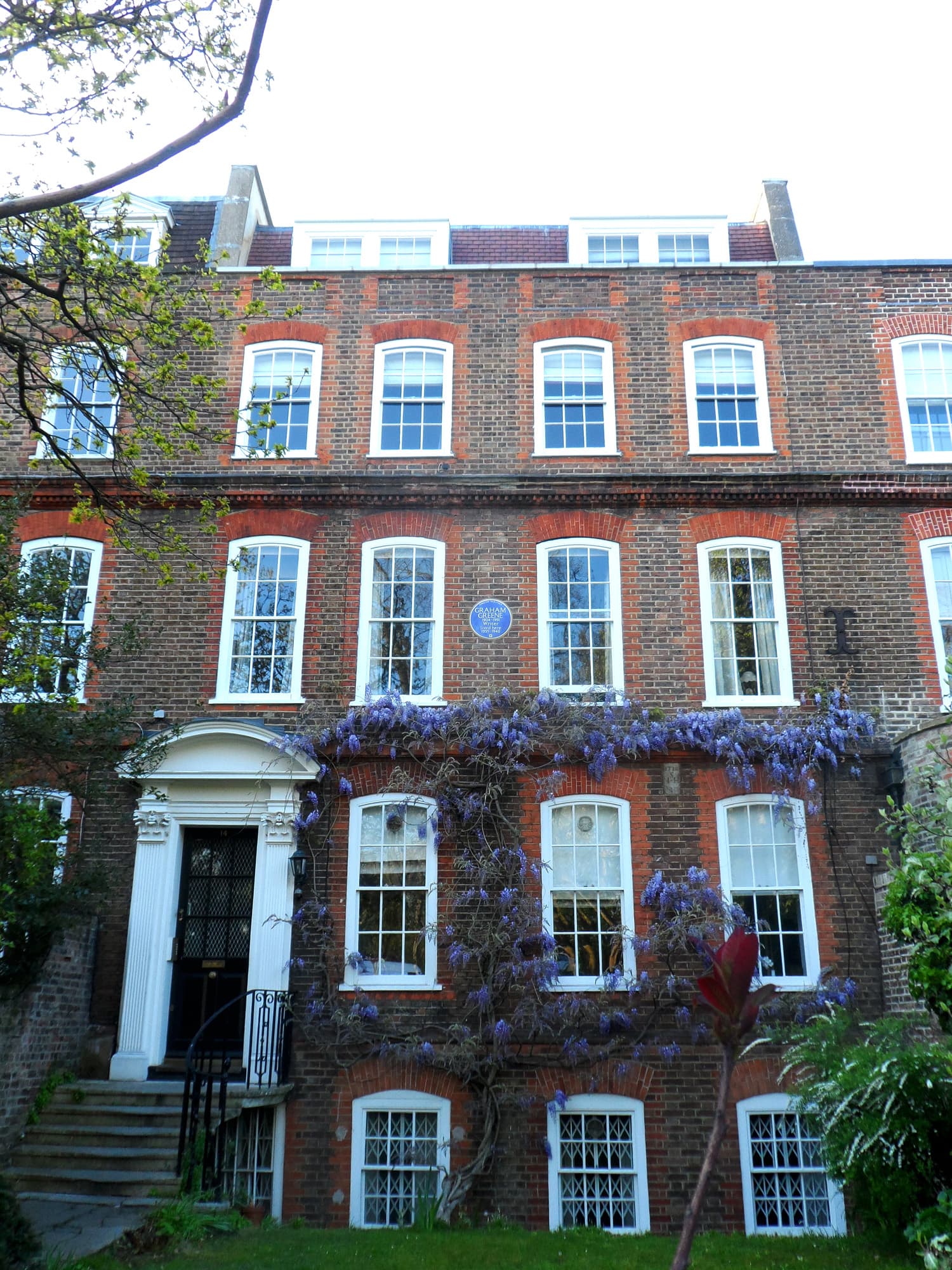
Start at 14 Clapham Common North Side, SW4 0RF. That is the house Graham Greene lived in from 1935 to 1940, and you can only look at it from the pavement. It is now a number of flats, so there is no public access.
The house and the plaque
An English Heritage blue plaque went up in 2011. It reads “GRAHAM GREENE (1904-1991) Writer lived here 1935-1940”. According to English Heritage, Greene moved in with his family in August 1935 and called it “a most beautiful Queen Anne house … done up absolutely like a museum piece”.
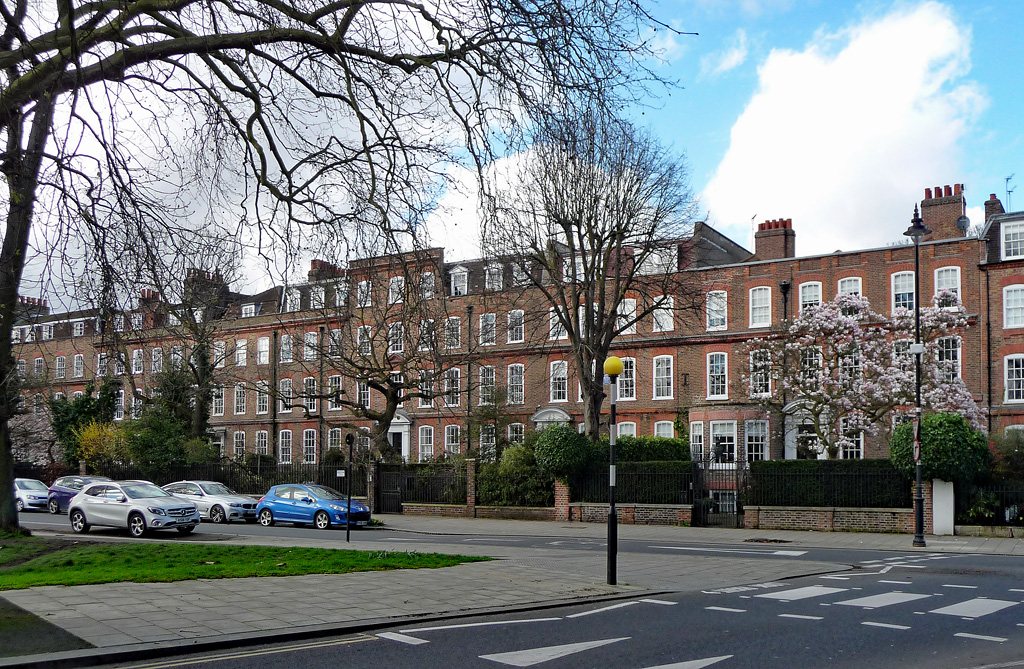
The house is Grade II* listed and part of a terrace built by the architect John Hutt in 1714 to 1720. The Clapham Society describes it as part of a grand Georgian terrace facing the Common, and says it was Graham’s choice but his wife Vivien instantly loved it.
The Graham Greene Birthplace Trust says the plaque exists thanks to a relentless campaign by the late Martin Jenkins, a long-standing trust member.
The night the house was bombed
In October 1940 a bombing raid made the house uninhabitable. English Heritage says it was empty at the time: Vivien and the children had been evacuated to Sussex, and Greene was staying in Bloomsbury with his lover, Dorothy Glover. The outer walls survived, so the interior could be rebuilt after the war. English Heritage says the event later inspired the pivotal point in The End of the Affair.
The Clapham Society says Greene left Clapham after the bombing “to return only in his fiction”. It also records that the house was gutted by fire in 1960. In its piece, “Greeneland” by Peter Jefferson Smith, the house also appears in the short story The Destructors (Picture Post, 1954), and Greene’s use of it is called at best ambivalent and at worst cruelly destructive.
Clapham in The End of the Affair
The novel came out in 1951. Wikipedia notes Greene set it in and around Clapham Common, and that the 1999 film, directed by Neil Jordan, also references the location. The Clapham Society says the home of the heroine and her cuckolded husband is based on 14 North Side.
The story moves between the two sides of the Common. According to London Fictions, on the north side Henry Miles lives with his wife Sarah in a “desireless” marriage. On the south side, which the book treats as the wrong side socially, the novelist Maurice Bendrix lodges. The pivotal moment is a V-1 flying bomb in June 1944. The opening scene, set in 1946, has Bendrix meeting Henry walking in the rain across the Common. The detective’s quarry, Richard Smythe, lives at 16 Cedar Road in Clapham.
One film detail for the curious: London Fictions lists Battersea Park as the stand-in for Clapham Common on screen.
Other Greene and North Side notes
- The Birthplace Trust says Greene also lived in Battersea while working as a sub-editor on The Times, before he married.
- Its notes say It’s a Battlefield (1934) portrays the area around Wandsworth Prison in “original working-class seediness”.
- Wikipedia says Greene described similar bomb scenes in The Ministry of Fear (1943).
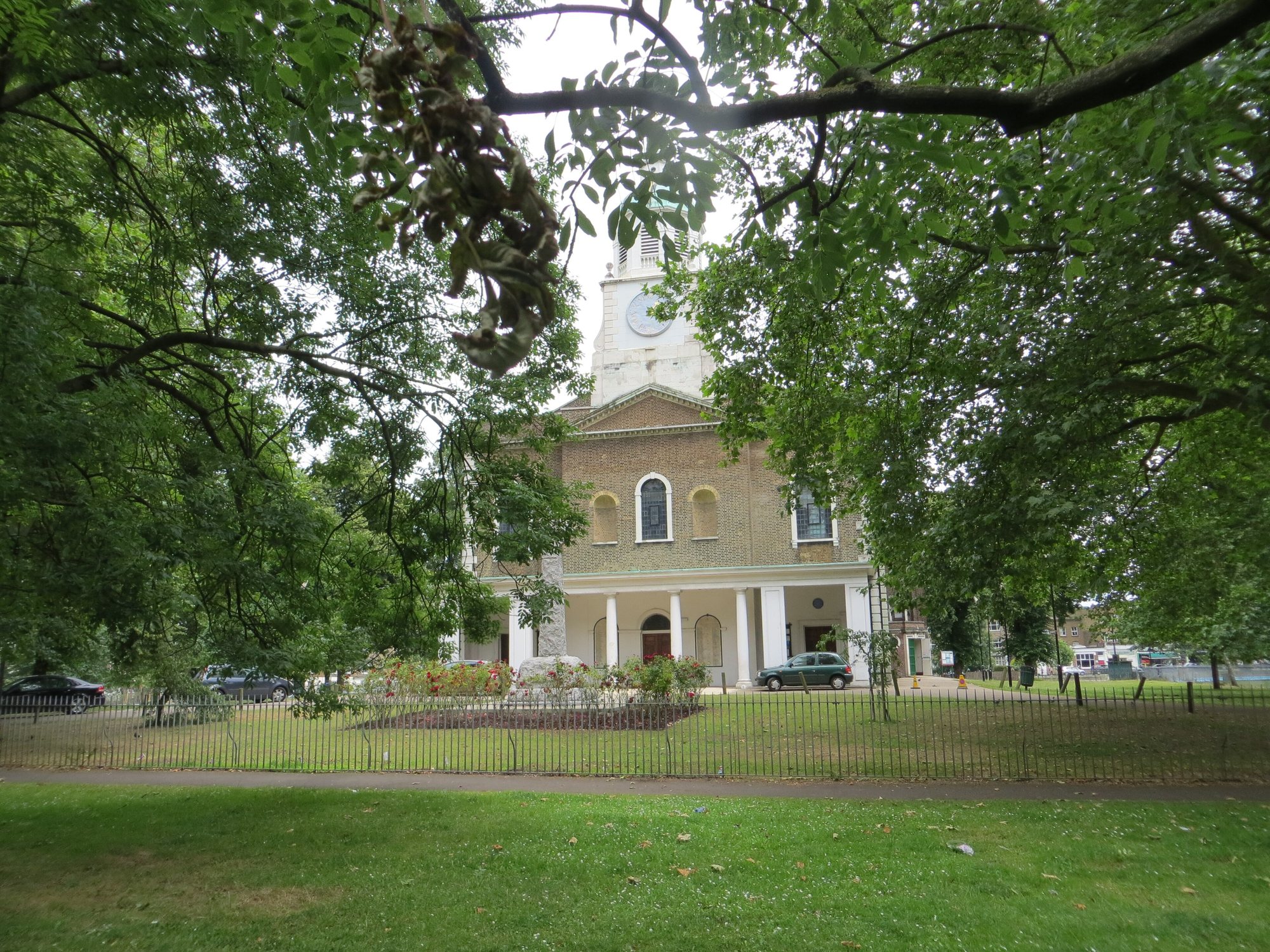
- Holy Trinity Church, home of William Wilberforce’s Clapham Sect, stands opposite on the Common. Wikipedia adds that Samuel Pepys spent his last years on the road and Edvard Grieg stayed in a hotel there.
A simple way to do it
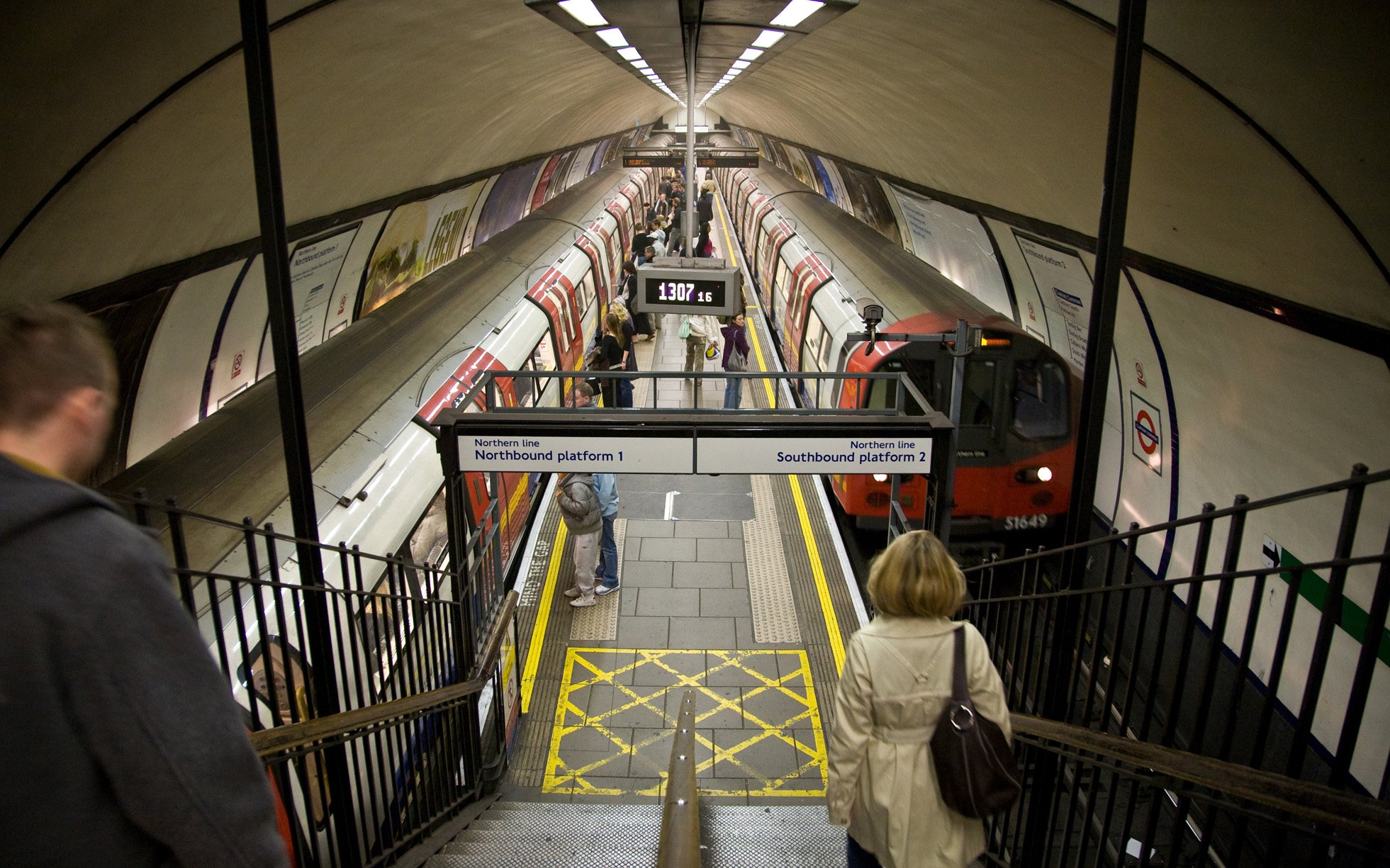
Walk to North Side, find the plaque at number 14, then cross the Common towards the south side to see the two halves of the novel for yourself. A guided Greene walk, “Graham Greene’s Clapham: the End of the Affair”, ran in March 2020 from Clapham South tube, but that was a one-off, so treat it as background rather than a plan.
Then take a seat with the book. It is short, and the Common is right there.