Clapham Old Town history: the Clapham Sect, Holy Trinity and the clock tower
Puritan commuters, Pepys's last home, the church where the Clapham Sect fought the slave trade and a clock tower given in 1906. The Old Town in four stops.
By Clapham London Editorial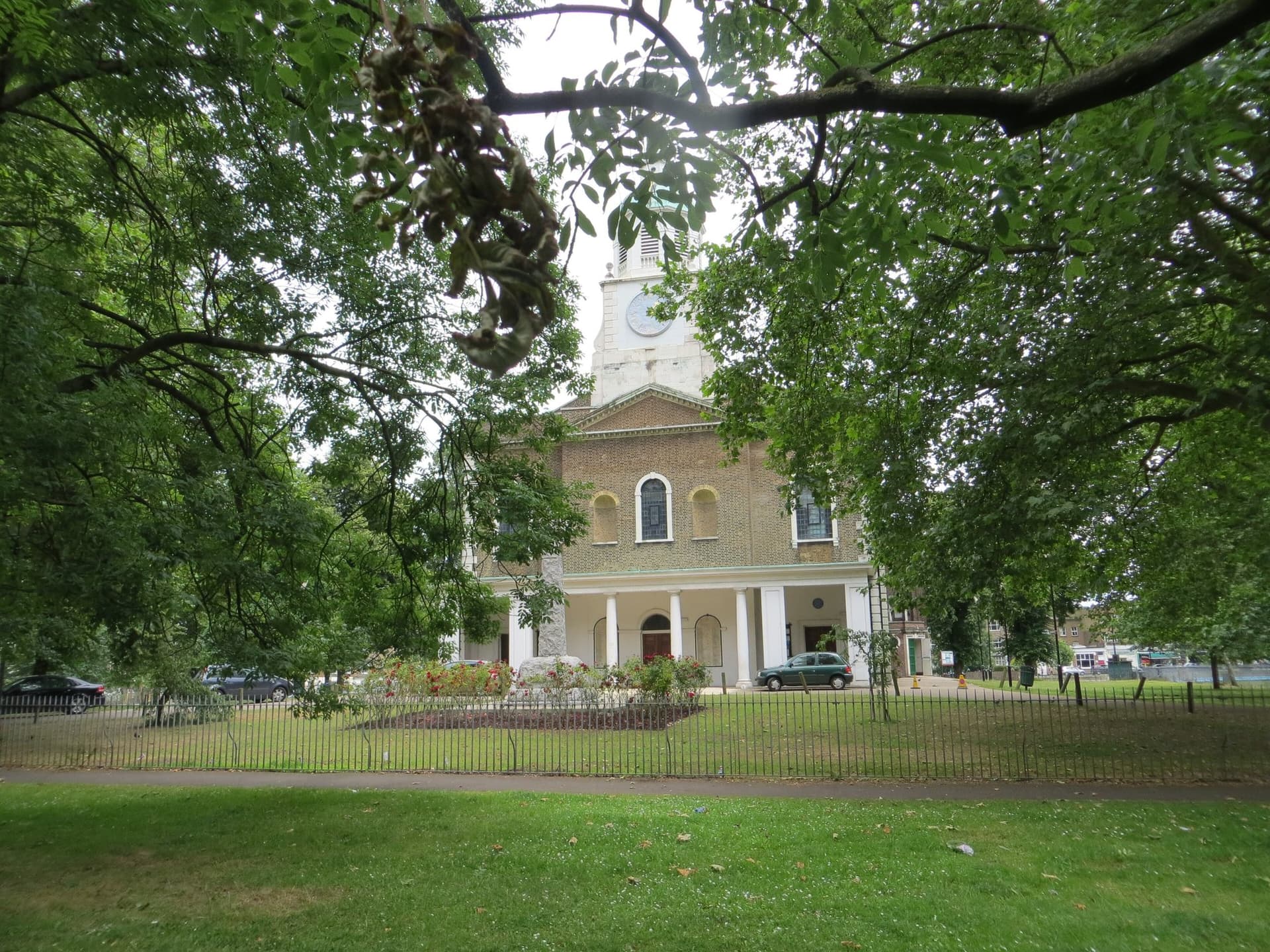
Clapham Old Town's history comes down to three addresses: Holy Trinity on the Common, where the Clapham Sect worshipped while they campaigned against the slave trade; St Paul's on Rectory Grove, the old parish church where Pepys's friend William Hewer is remembered; and the clock tower at the top of the High Street, a gift to the parish in 1906. Walk between them in under an hour and you have the story of the village. Here it is, with sources.
A village for commuters, from the start
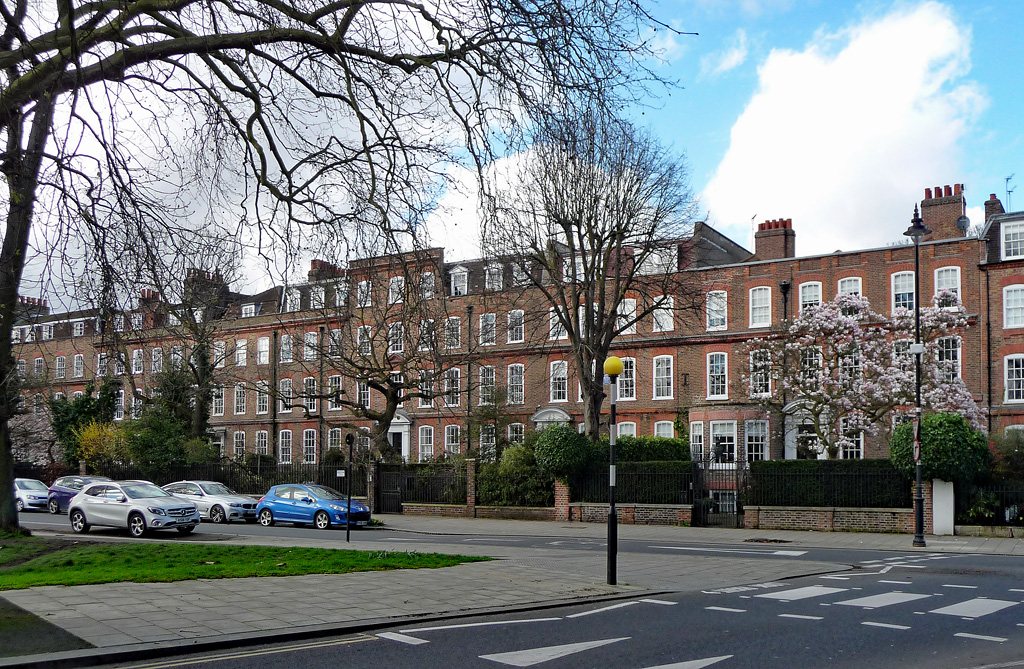
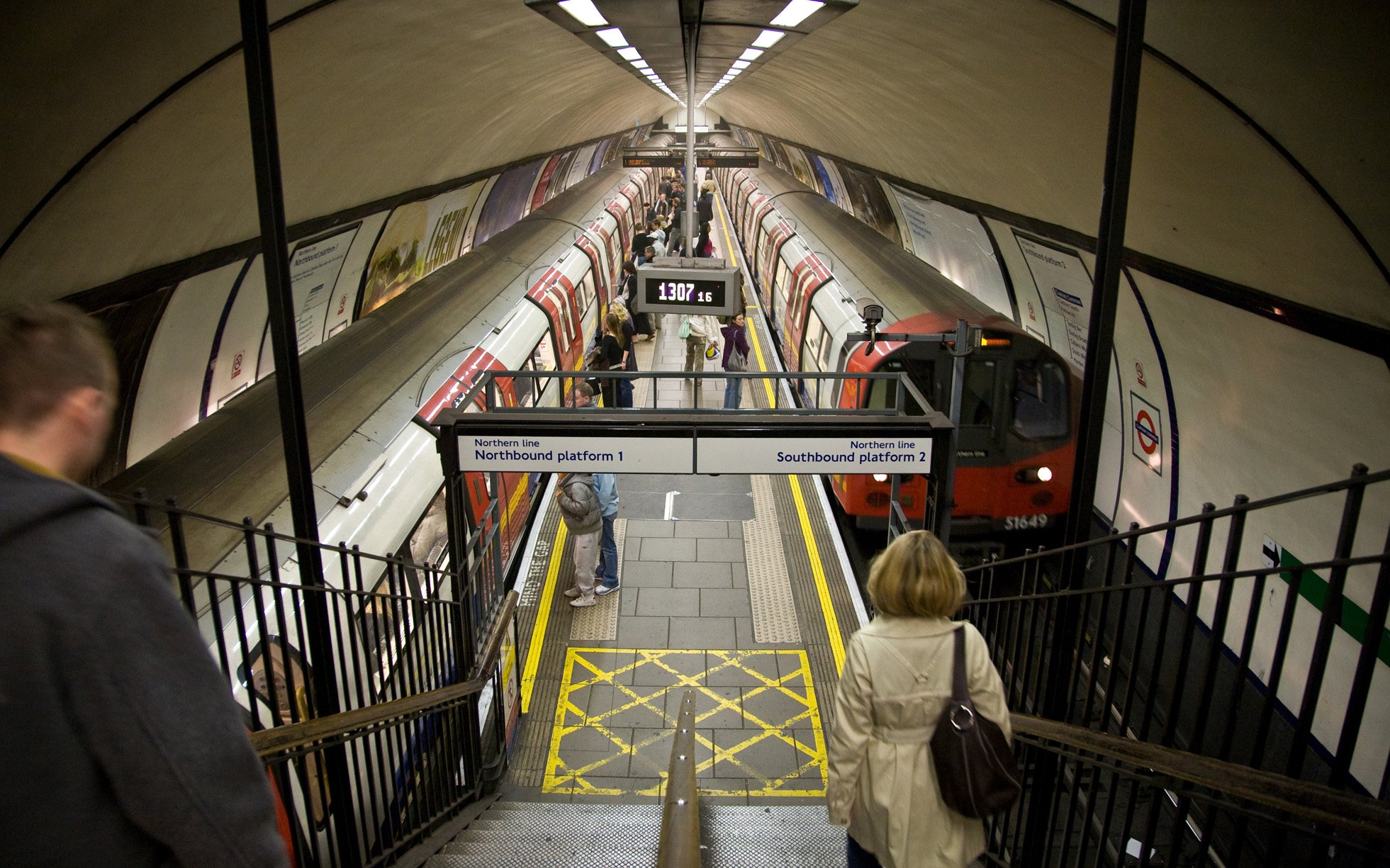
Clapham was a commuter village long before the Northern line. The Clapham Society describes how, from the 1630s, it filled with radical Puritan merchants who worked in the City, in finance, trade and the Navy. The Society argues it was the only village south of the river with houses fit for merchants making the journey into London. That pattern, of money made in town and spent on a house by the Common, runs through everything that follows.
St Paul's, Rectory Grove: the old parish church
Start at St Paul's on Rectory Grove, on the site of the medieval parish church. The church's own history says an earlier church here probably dated from the 12th century and was under Merton Abbey until the Reformation. When the new parish church was built on the Common in 1776, most of the old one came down. The present building was put up to cope with the growing population, and its first service was held on 24 September 1815.
Look inside for five 17th-century life-size memorials to the Atkins family, lords of the manor, and a brass of 1401. In the main church is a portrait medallion to William Hewer, Samuel Pepys's right-hand man at the Navy Office.
Pepys in Clapham
According to the Clapham Society, Pepys first visited the house later called Clapham Place in 1663, when it belonged to the naval victualler Dennis Gauden. Hewer bought it in 1688. Pepys, in poor health, stayed for long spells and moved in for good in the summer of 1701, his books following the year after. He died in 1703, an active member of the Clapham community to the end.
Holy Trinity and the Clapham Sect
Walk on to the Common for Holy Trinity Clapham, on Clapham Common North Side. Its listing text records that it was built in 1774 to 1776 by Kenton Couse, with the west porch added in 1812 by Francis Hurlbatt and a chancel by Beresford Pite in 1902 to 1903. It is listed Grade II*.
The church's fame comes from its congregation. In the 1790s it was the centre of the group of evangelicals later known as the Clapham Sect, whose central cause was the abolition of slavery. Holy Trinity's own history links it most famously to William Wilberforce. The Thornton family, wealthy bankers and cousins of the Wilberforces, drew the group to Clapham, and John Thornton was a major contributor to the building.
John Venn and the speaking tube
John Venn was Rector from 1792 until his death in 1813, and he was active in the Sect and the abolition campaign. His congregation grew so large that some of them heard his sermons through a metal speaking tube, which is why he had St Paul's rebuilt to take the overflow. Venn Street, off the High Street, is named after him, and his grandson, also John Venn, gave the world the Venn diagram.
The temperance fountain, the Pavement
On the edge of the Common by the Pavement stands a granite drinking fountain topped by a bronze of a woman giving water to a seated man with a crutch. It dates from 1884, a gift of the United Kingdom Temperance and General Provident Institution, by the sculptor August von Kreling. Lambeth Archives record that it was first put up near London Bridge and moved to Clapham in 1895. It is listed Grade II.
The clock tower, Clapham High Street
Finish at the clock tower at the top of the High Street, above Clapham Common station. Lambeth Archives record that it was unveiled on 19 July 1906, a gift to the Parish of Clapham from Alexander Glegg, Mayor of Wandsworth, which then included Clapham. When the station's new booking hall was built below it, the tower was taken down and rebuilt. It is now listed Grade II.
The walk, in order
- St Paul's, Rectory Grove: the old parish church, the Atkins memorials and William Hewer.
- Holy Trinity, Clapham Common North Side: the Clapham Sect and John Venn.
- The temperance fountain, the Pavement: 1884, by way of London Bridge.
- The clock tower, Clapham High Street: 1906, and down into the Tube.
Where to stop
The Old Town is full of good places to pause. The Sun at 47 Old Town has a beer garden, Minnow at 21 The Pavement has a terrace over the Common, and Clapham Books at 26 The Pavement is the place to buy a local history to take home. The Clapham Society runs guided and self-guided walks and talks if you want to go deeper.