Blue plaques in Clapham: the ones worth finding on North Side
Most of Clapham's best blue plaques sit along Clapham Common North Side, so one flat walk takes in a writer, a composer, an architect and the abolitionists.
By Clapham London Editorial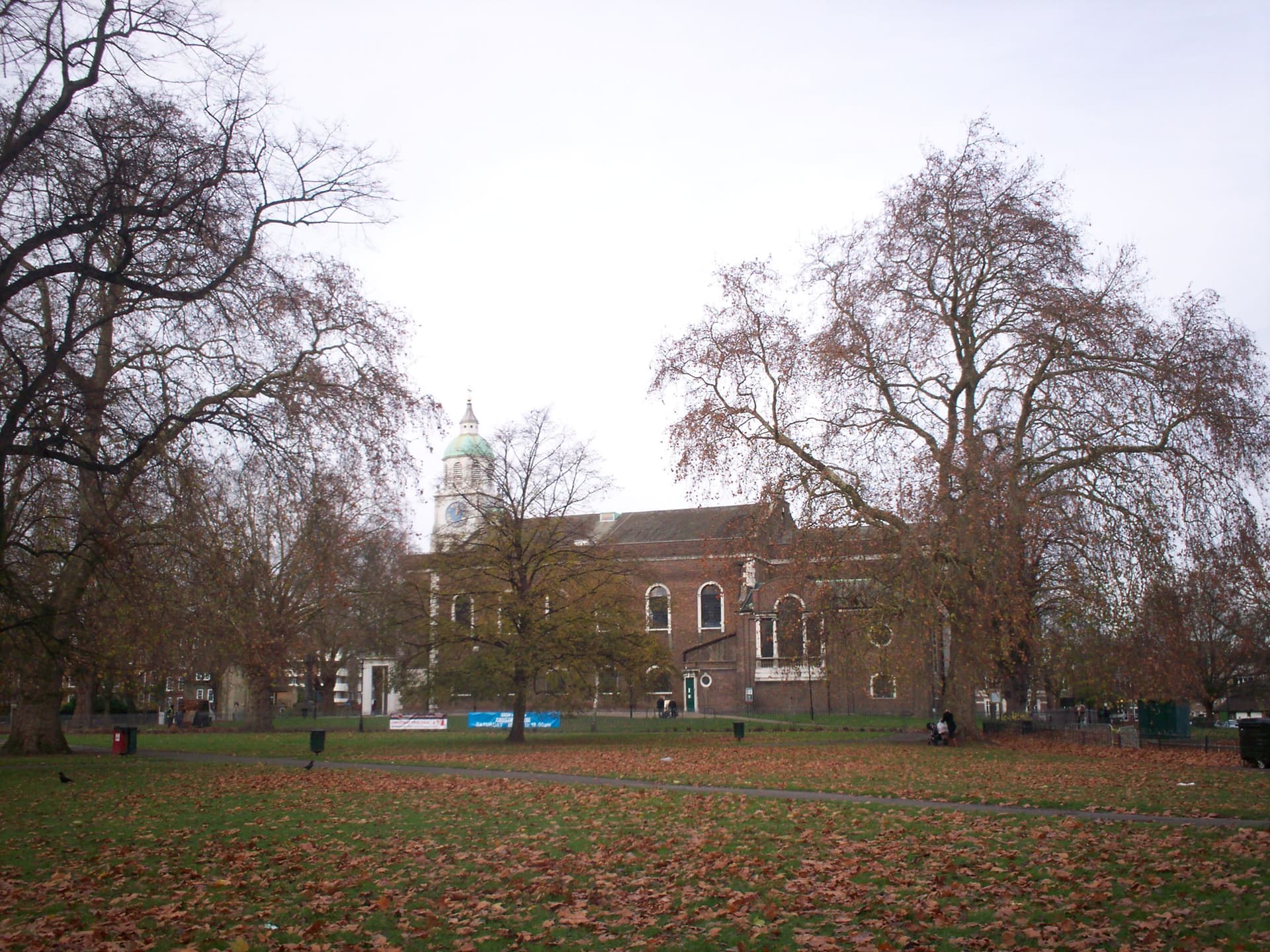
Start on Clapham Common North Side. Most of the plaques worth finding are on or near it, so you can do the lot on foot in a single loop without a map app doing much work.
One note first: two schemes put plaques on Clapham buildings. The blue ceramic ones are English Heritage (and its predecessors, the LCC and the GLC). The Clapham Society's green plaques are different: aluminium, raised white lettering on dark green, and they mark buildings that have changed use rather than famous residents.
The four to find first
Holy Trinity, Clapham Common North Side, SW4
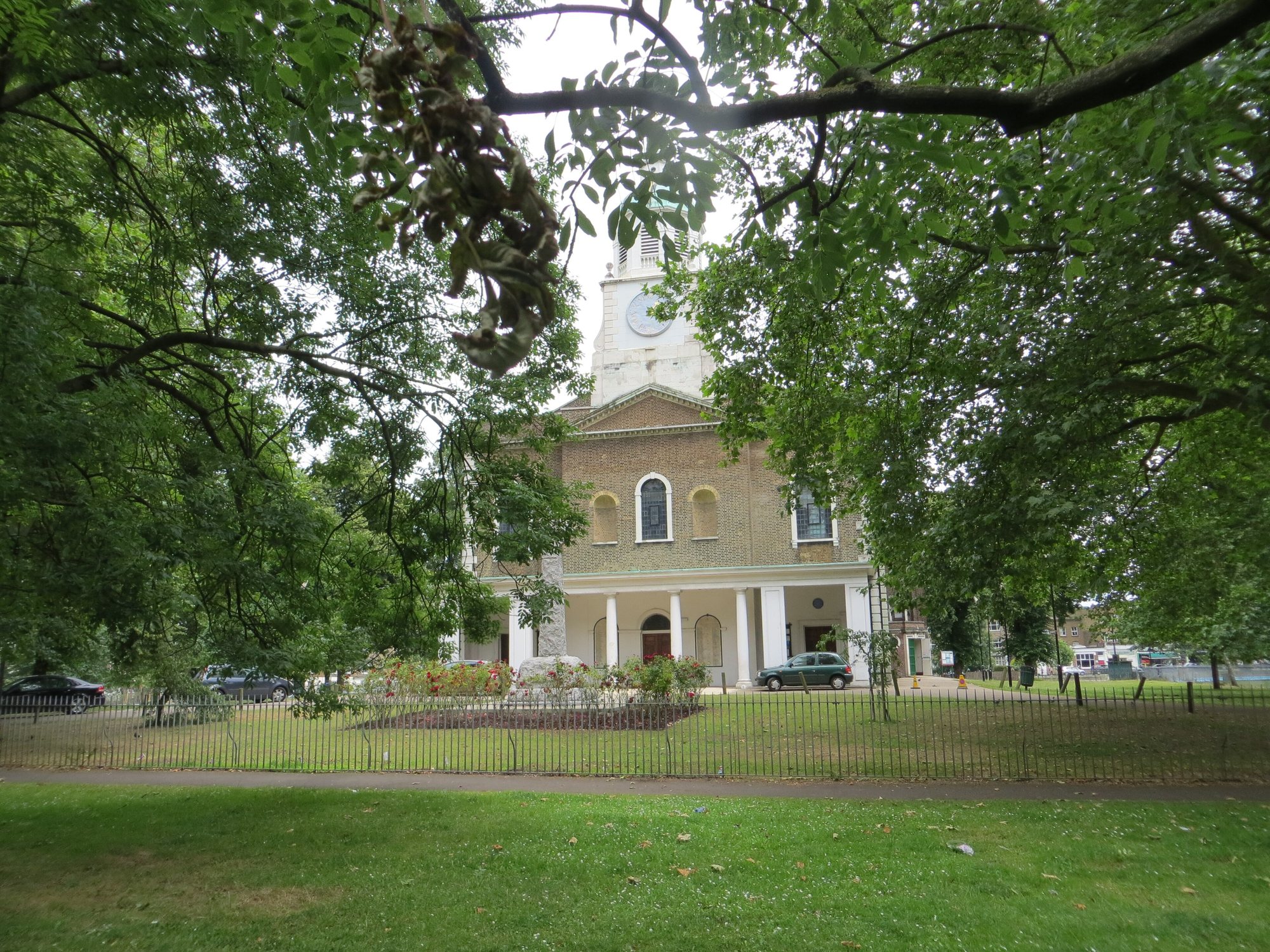
The plaque here was put up in 1984 by the Greater London Council. It records that William Wilberforce and the Clapham Sect worshipped in the church, and that their campaigning led to the abolition of slavery in British dominions in 1833. Holy Trinity opened in 1776. Beside the blue plaque is a second plaque listing Sect members, according to a Greater London Authority blog about the Clapham walk. Names on it include Charles Grant, Zachary Macaulay, Granville Sharp and John Shore (Lord Teignmouth).
Wilberforce lived at Battersea Rise from 1792 to 1797, in the home of the banker Henry Thornton, which was the Sect's principal base. He later moved to Broomwood Road on the west side of the Common. English Heritage has the full story.
Graham Greene, 14 Clapham Common North Side, SW4
The plaque reads: “GRAHAM GREENE (1904-1991) Writer lived here 1935-1940”. It went up in 2011. Greene moved in with his family in August 1935. In October 1940 the house was hit in a bombing raid while empty, and that night inspired the pivotal point of The End of the Affair.
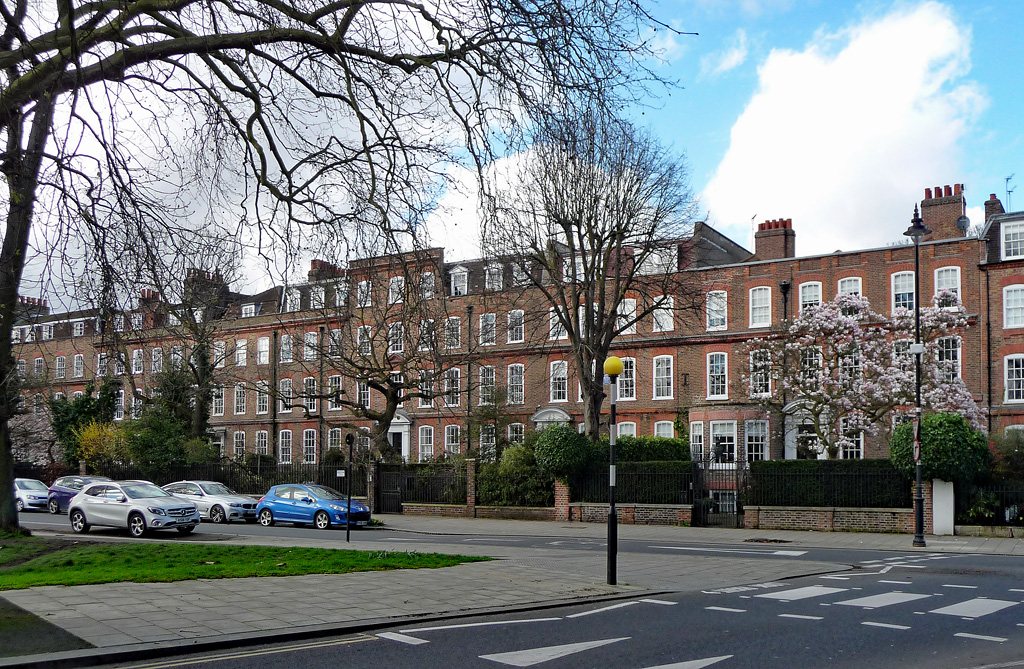
The house is Grade II* listed, part of a terrace built by John Hutt in 1714 to 1720. The Graham Greene Birthplace Trust notes that the house and the Common feature in the 1951 novel and in the 1954 short story “The Destructors”. Its account says the plaque exists thanks to a campaign by the late Martin Jenkins, a Trust member. English Heritage page.
Edvard Grieg, 47 Clapham Common North Side, SW4
Put up in 2004, this one reads “Norwegian Composer stayed here when performing in London”. Grieg and his wife stayed with his publisher, George Augener, in a house then known as 5 The Cedars. English Heritage says Grieg liked taking the tram from Clapham into the West End and the City, and that a Pall Mall Gazette journalist interviewed him there in spring 1889. Details here.
Sir Charles Barry, The Elms, Clapham Common North Side
The London County Council plaque from 1950 reads “ARCHITECT lived and died here”. Barry is the man behind the Houses of Parliament, and Wikipedia says the building is now Trinity Hospice. Sources disagree on the house number, so read the plaque itself rather than trusting an address list. English Heritage page.
More to look for
- John Francis Bentley (1839 to 1902), 43 Old Town, SW4. English Heritage lists a plaque at this address in the Old Town.
- John Burns (1858 to 1943), 110 North Side. The Labour leader's plaque is listed by English Heritage under Wandsworth, a reminder that Clapham plaques straddle borough lines.
- The Chase. A published list of Clapham plaques places the writers Natsume Soseki at 81 The Chase and Angela Carter at 107 The Chase. Worth a detour if you are walking nearby.
There is also a memorial plaque to Henry Thornton on the wall of St Paul’s church, recording that he was born and educated in Clapham and became Governor of the Bank of England.
The walk that links them
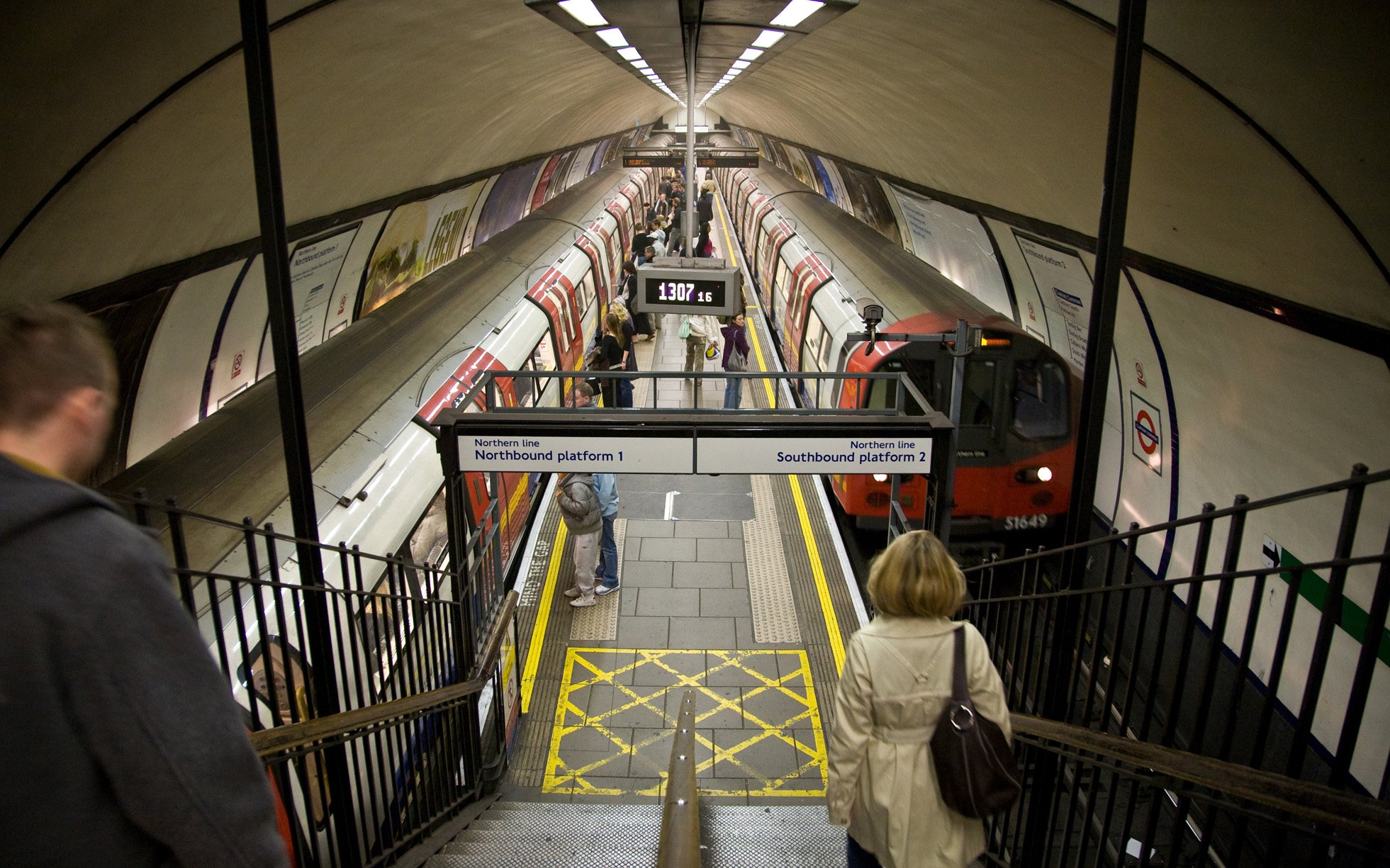
Begin at Clapham Common Underground station and head for the Old Town for Bentley at 43 Old Town. Then follow North Side: Holy Trinity, then Greene at number 14, Grieg at 47 and The Elms for Barry, with Burns at 110 further along. Add The Chase at the end if you want the writers. It is flat and all on pavements beside the Common, so it suits a slow morning.
If you want green plaques too
The Clapham Society’s first green plaque went up in August 2011 on Sycamore House, 4 Old Town, SW4. The house dates from 1787 and was the Sycamore Laundry from 1898 to 1994. Others mark the former Clapham Fire Station at 33 The Pavement and the former parochial school at 35 Macaulay Road. The Society also publishes a self-guided “Old Clapham” walk that starts at Clapham Common station and passes the Old Town, Grafton Square, St Paul’s Church and Rectory Grove, on its website.