Trees and wildlife on Clapham Common: ponds, old trees and bats
Mature avenues, three old gravel-pit ponds and a long bird list: where to look for nature on Clapham Common, SW4.
By Clapham London Editorial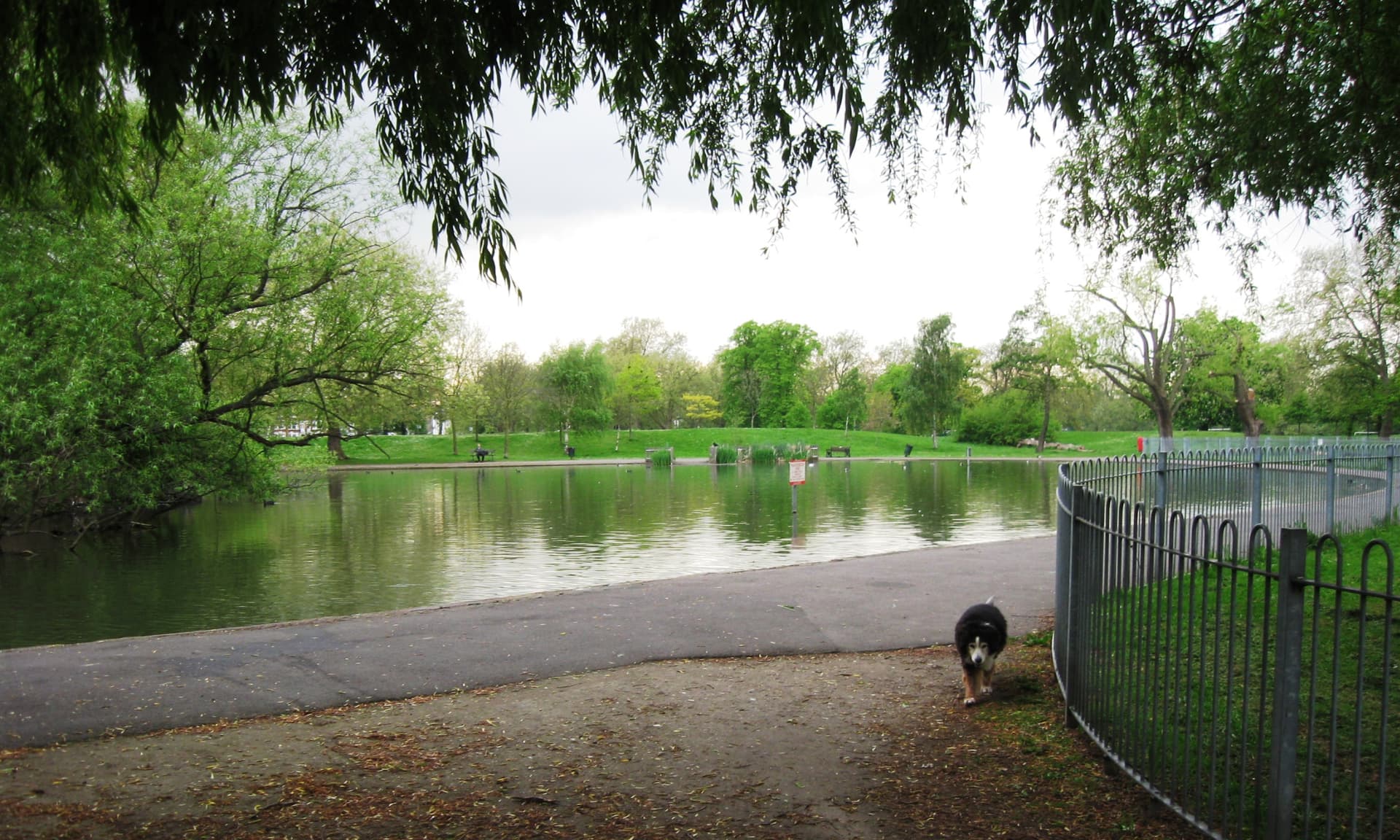
Start at the ponds, then look up. Clapham Common is a big, flat triangle of open space, but the wildlife is concentrated in a few places: the water, the older trees and the rougher edges where the mowing stops. Size figures vary by source, from about 75 hectares to 87 hectares, so call it roughly 200 acres. It is open all the time and free to walk, with Clapham Common and Clapham South tube stations on its edges.
The ponds
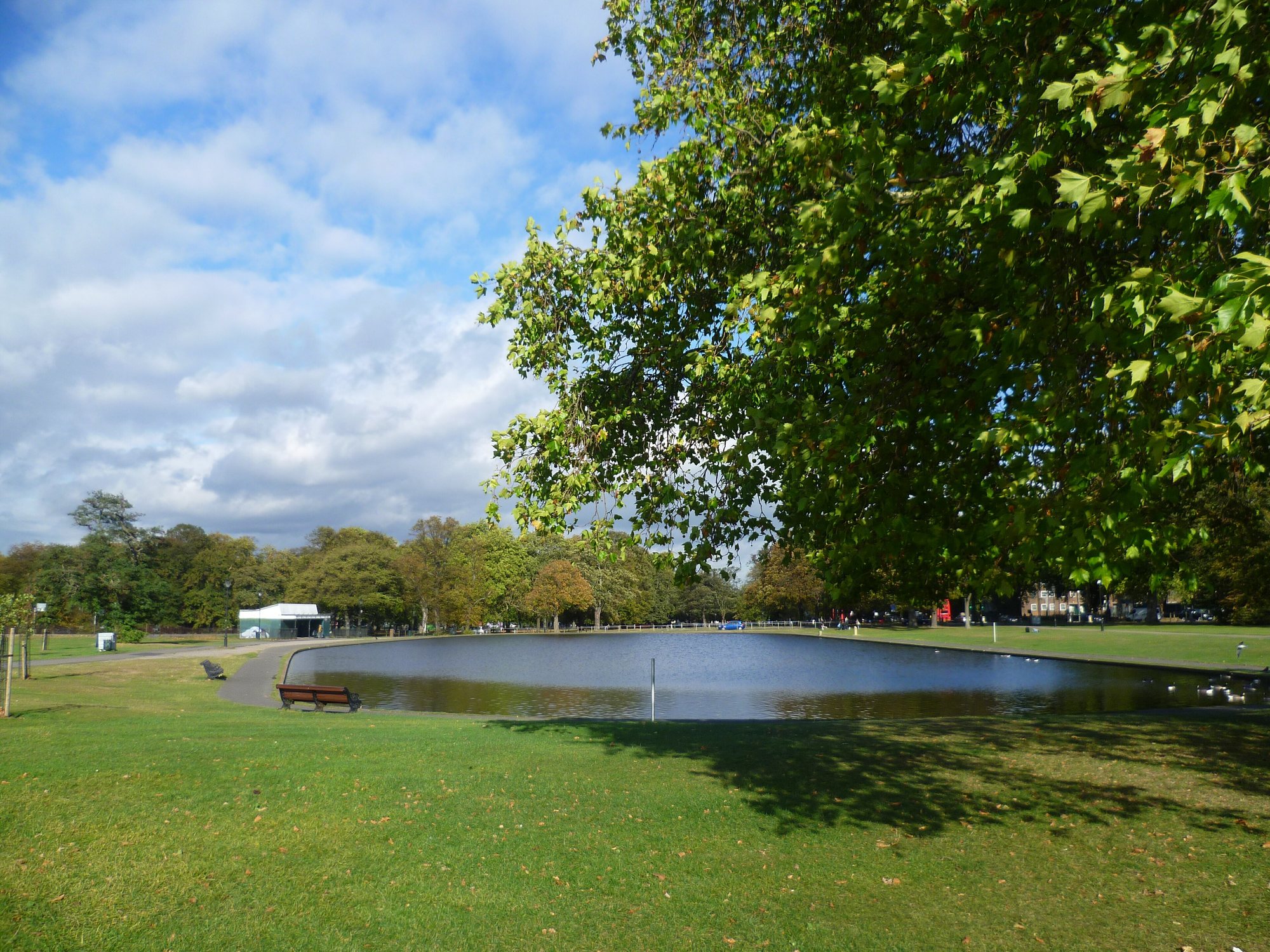
There are three ponds, all evolved from old gravel pits, according to the Friends of Clapham Common. Eagle Pond and Mount Pond are used by anglers (carp, roach, tench and bream are listed) and both have wildlife areas. Long Pond is the one for model boats.
- Eagle Pond: the smallest of the three. Greater London data describes a restoration that gave it reedy, planted edges, which sit alongside its coarse fishing.
- Mount Pond: on the Wandsworth side, and described by Greater London records as perhaps the best of the ponds for waterfowl and fish.
North of Mount Pond is a woodland of mostly exotic trees. It supports common birds and is still developing its structure, so expect the usual garden and woodland species rather than rarities.
The birds
An eBird checklist for Clapham Common runs to roughly 80 species across all years, and the exact total shifts as people add records. The waterfowl are the easiest to see: mute swan, Egyptian goose, mandarin duck, northern shoveler, gadwall, mallard, red-crested pochard, common pochard and tufted duck all appear on the list, along with moorhen and coot. Stock dove and common swift are on it too. Peregrine falcons, a mistle thrush and wrens have also been logged there. For a first visit, a loop of the ponds with a pair of binoculars is the sensible plan.
The bats
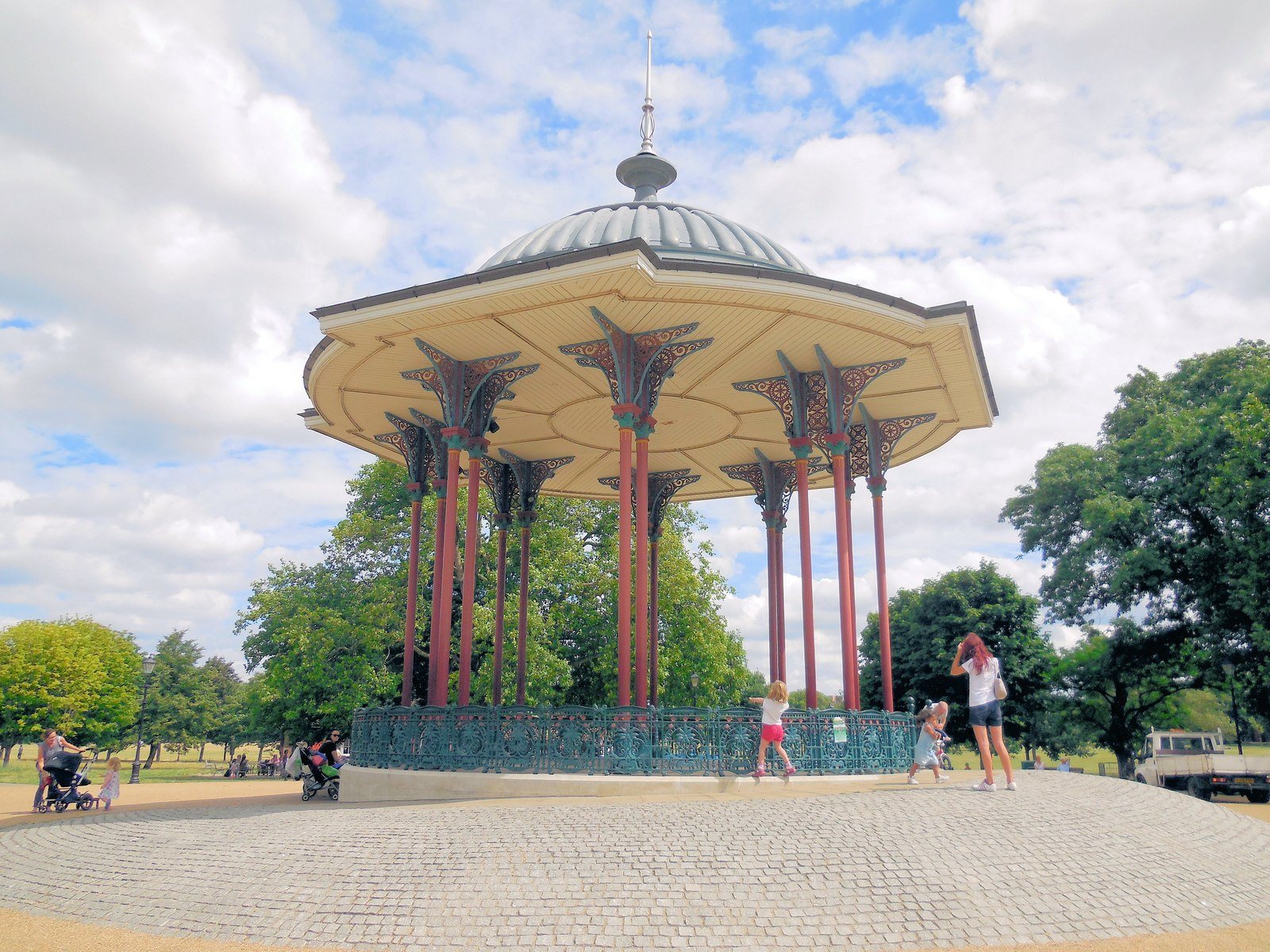
The Clapham Society has run an evening bat walk from the Bandstand, led by Dr Iain Boulton of Lambeth Parks and Open Spaces. The 2024 spring walk started at 8.30pm on a Friday in late April, used bat detectors, was free and needed booking in advance (details here). An older Time Out listing for a Friends walk describes detectors picking up bats hunting insects over the water at Mount Pond. Check the Clapham Society and Friends of Clapham Common calendars for the next date, as walks book up.
The old trees
The Wandsworth conservation appraisal describes the Common as typified by large mature trees, with considerable ageing of the older planting. The Clapham Society reprints a historical piece, The Oldest Inhabitant, which says many trees were planted in the late 1700s after a committee was appointed to plant them. It mentions the limes near St Paul’s and a poplar once known as the seat tree.
Then there is Captain Cook’s tree. It is tradition rather than record: Borough Photos says there is no proof that he planted the nearby oaks for his sons. His widow Elizabeth did live on Clapham High Street from 1788 until 1835, so the Cook link to the area is real even if the tree story is not.
The Clapham Society also runs a tree walk from the Bandstand with Dr Boulton. It covers the origins, ecology and history of the principal trees, with identification keys and handouts, and lasts about an hour and a half. Look at the Clapham Society walks page for the next one.
The wilder corners
Lambeth’s Woodland Trust-listed patch, Clapham Common Woodland, is small, about 2.56 hectares. The Woodland Trust describes it as remnants of the open heath the Common was first dominated by, a mosaic of cover and open glades with seasonal ponds and paths. It is the nearest thing here to a wild corner.
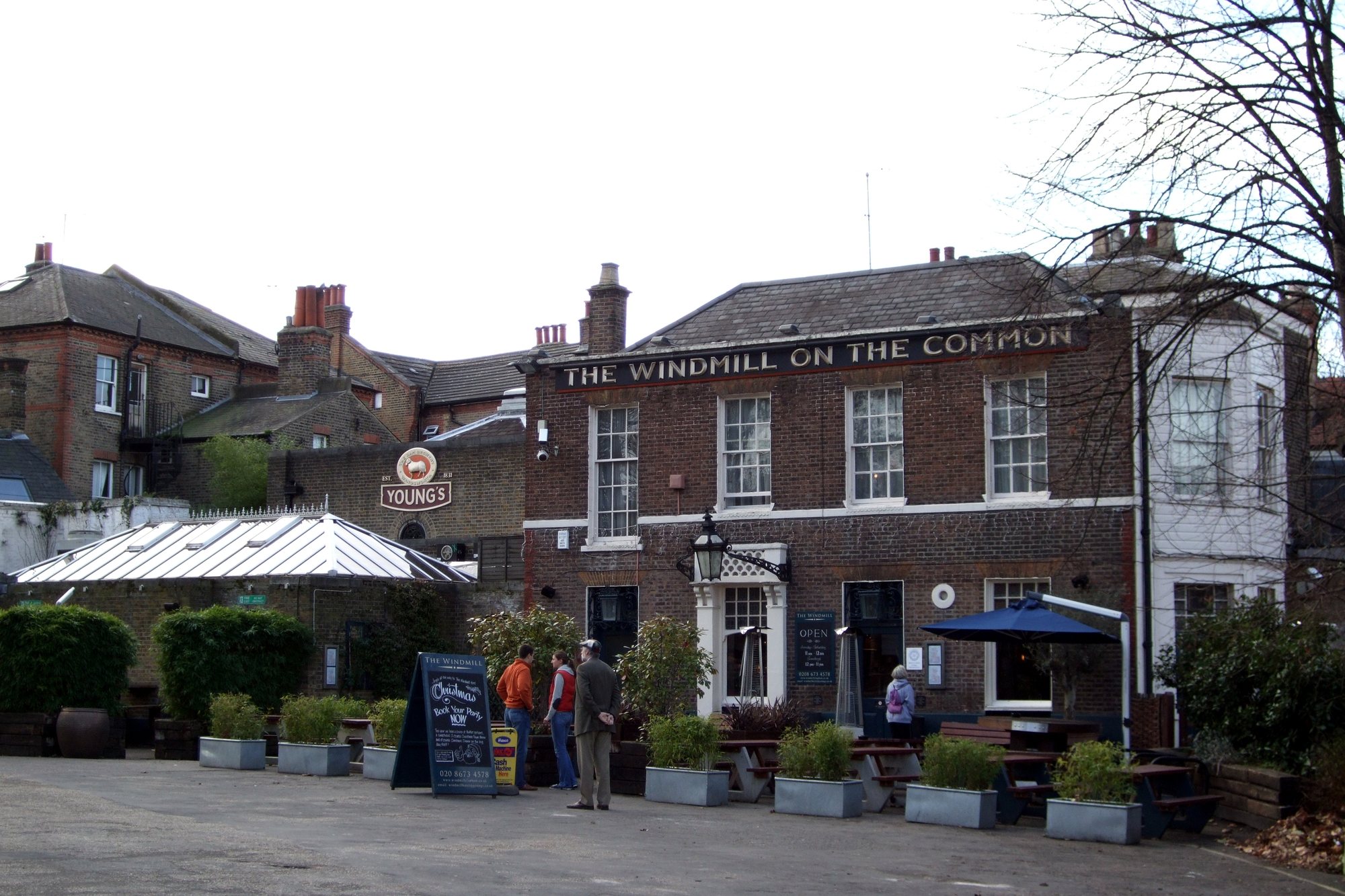
Friends of Clapham Common and Wild Clapham say they have planted 200 trees with Lambeth, which they put at a 10% increase in the tree stock. They are also working with Lambeth to designate more than 16 hectares as Local Nature Reserve, and have designed a pollinator corridor in the rainwater garden beds along Windmill Drive (Clapham Society).
Practicalities
- Where: Clapham Common, SW4, with the Bandstand on Windmill Drive as the usual meeting point for walks.
- Cost: free to enter, and the Common is always open.
- Dogs: allowed, with some dog-free zones.
- Fishing: Eagle Pond and Mount Pond are the angling ponds, so give anglers space when you look for birds.